Kannadiga Wedding Rituals: A Photographer's Guide
November 2, 2026 · 7 min read · By Vijay
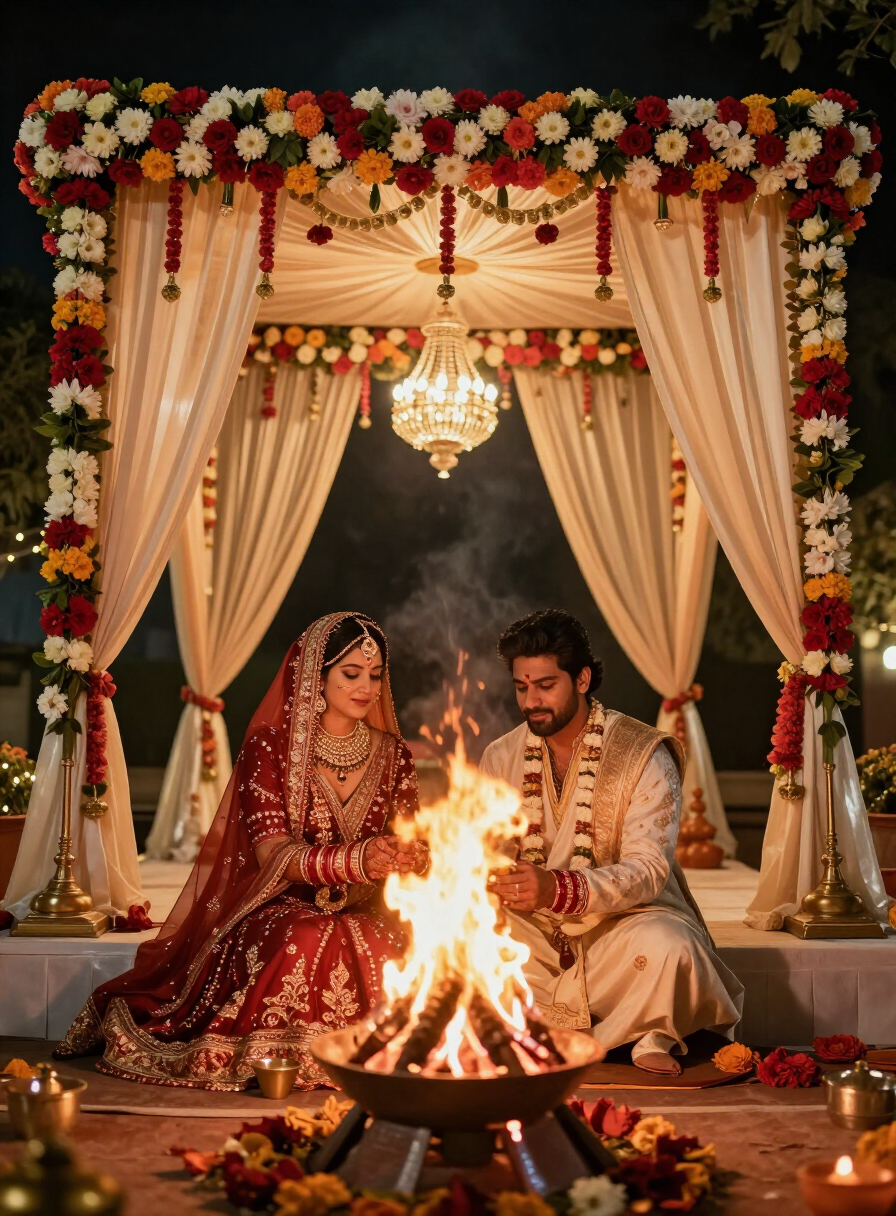
Kannada wedding rituals follow a beautiful, fast-moving sequence. Knowing the order is the difference between capturing and missing the moment — this is our photographer's guide to Kannadiga weddings.
Kannada wedding rituals are among the most rewarding to photograph in Bangalore — and the most demanding to keep up with. A Kannadiga wedding moves through a precise sequence of ceremonies, several of which happen in seconds. As wedding photographers who shoot across Karnataka, we have learned that knowing the order of Kannada wedding rituals is the single biggest advantage we bring on the day. This guide walks through that sequence from a photographer's perspective.
Before the wedding day: the Kannada wedding rituals begin at home
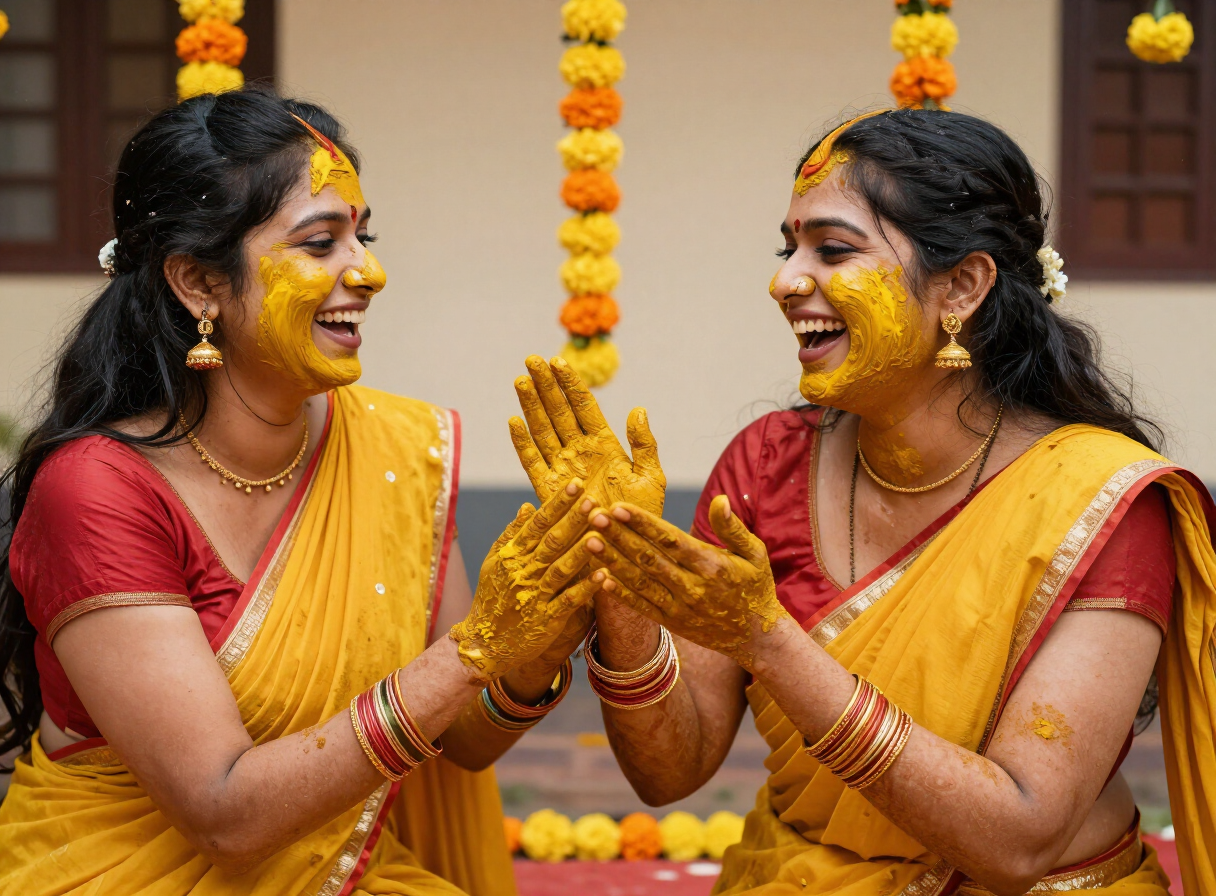
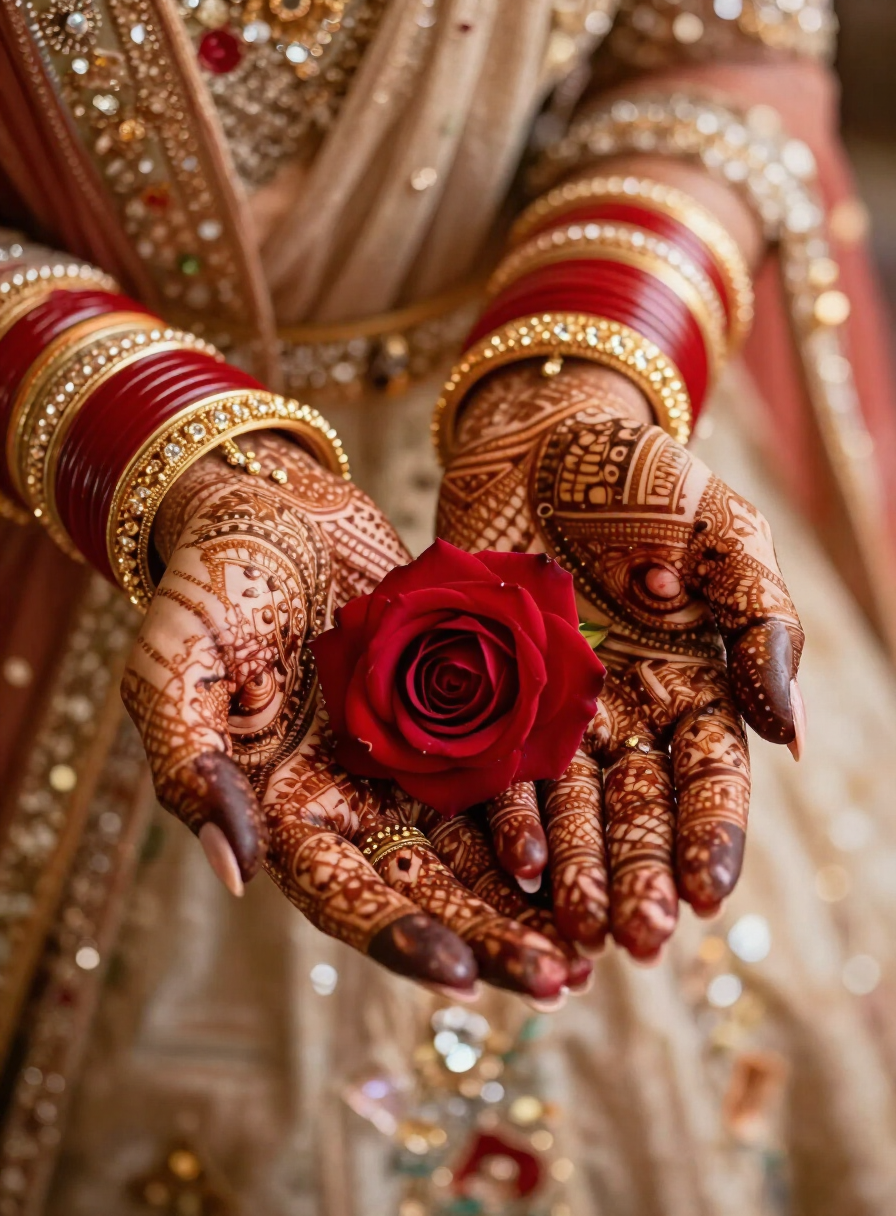
Kannada wedding rituals often start a day or two before the main ceremony with the nischayamuhurtham, or engagement, where the families exchange gifts and fix the muhurtham. The morning of the wedding belongs to the haldi (or ubtan) and the mehndi. These home ceremonies are intimate and full of emotion — the bride with her mother, the laughter of cousins, the yellow of the turmeric against green bangles. We always position a photographer here, because these frames often become the family's favourites.
The key Kannada wedding rituals, in order
On the wedding day, the sequence typically runs: kaashi yatre, varapooje, jaimala (garland exchange), dharemaadu (the tying of the thaali), saptapadi (seven steps around the sacred fire), and finally the blessings. Each has a photographic moment we position ourselves for.
Kaashi yatre is a playful ritual where the groom pretends to renounce marriage and set off for Kashi, only to be stopped by the bride's family. It is pure joy and produces candid, laughing frames. We shoot it wide to include the family reaction.
The jaimala, or garland exchange, is the first time the couple meets on the mandap. In many Kannadiga families the groom is lifted by his relatives and the bride by hers, each trying to garland the other first. Two photographers help here — one tight on the couple, one wide on the cheering families.
Dharemaadu — the tying of the thaali (mangalsutra) — is the single most important frame of a Kannadiga wedding. It happens in a heartbeat. We run two angles: one wide for context, one tight on the groom's hands tying the knot, so the moment is never missed.
The saptapadi follows, the couple taking seven steps around the sacred fire. We move with them through each step, keeping the fire visible in the frame for context and warmth.
Know the ritual before it begins, and you will already be in position when the moment breaks.
After the ceremony: reception and vidaai
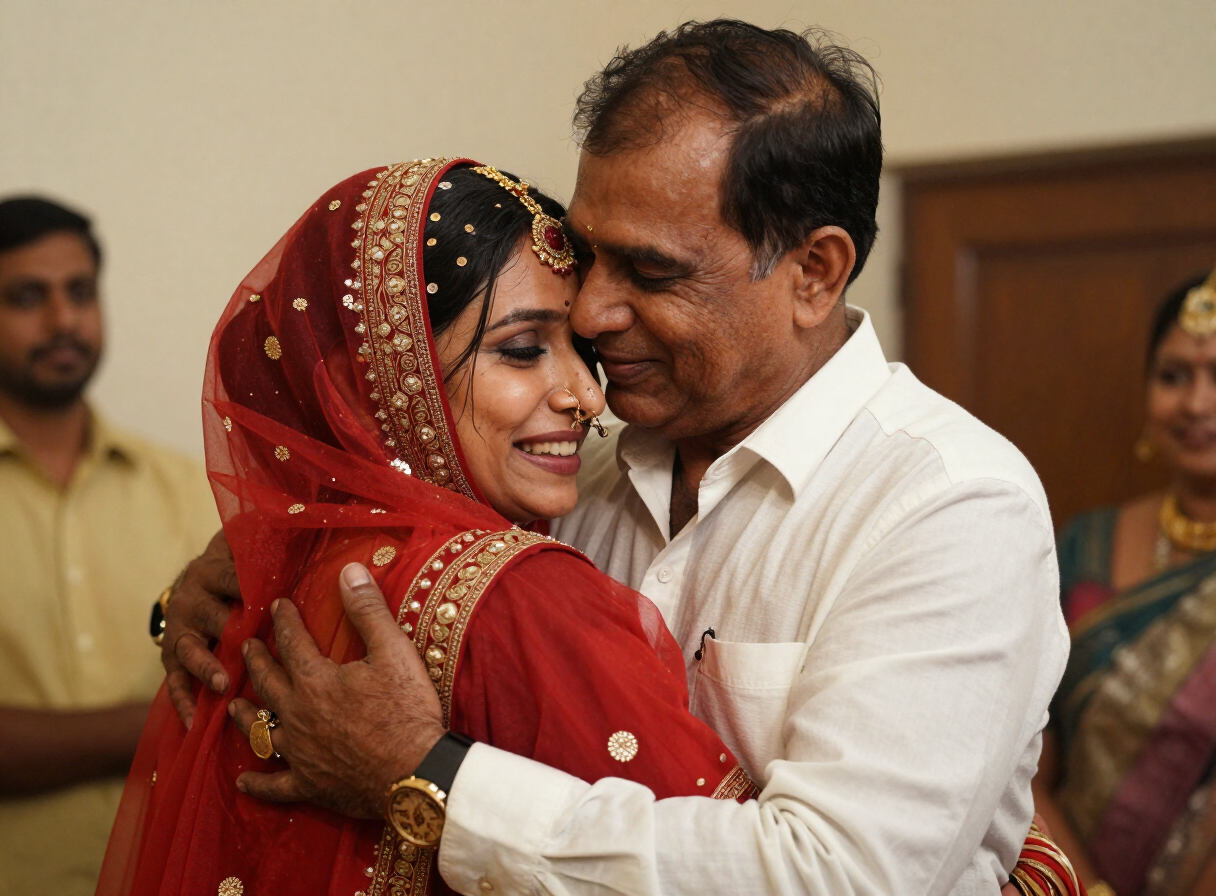
The reception brings the formal family portraits and the first dance. We move through the family combinations efficiently with a pre-shared shot list. The day closes with the vidaai — the bride leaving her family home — which almost always produces the most emotional frame of the day. We stay through it, every time.
Every community has its own variations on these Kannada wedding rituals, so we always ask your family about the specifics before the day. If you are planning a Kannadiga wedding in Bangalore, see our full wedding coverage or tell us about your ceremony on the contact page.
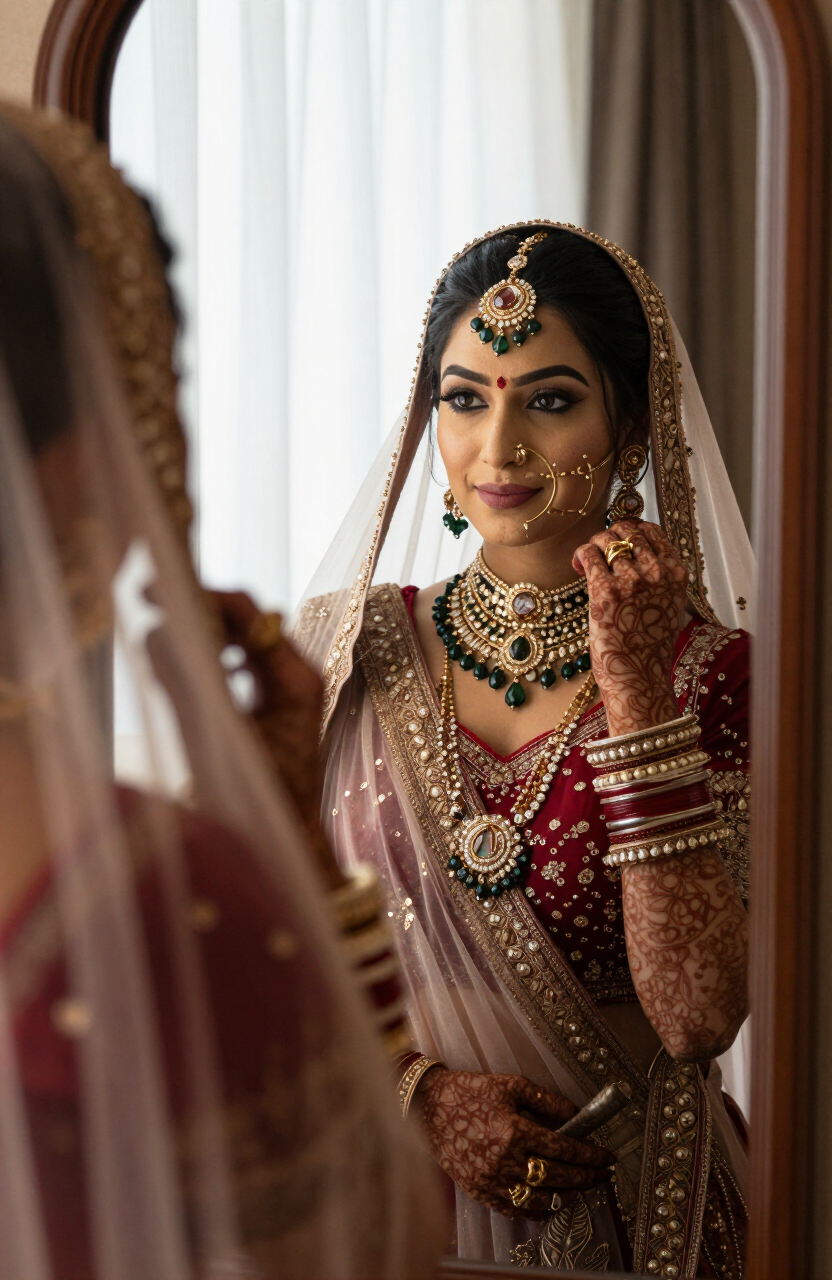
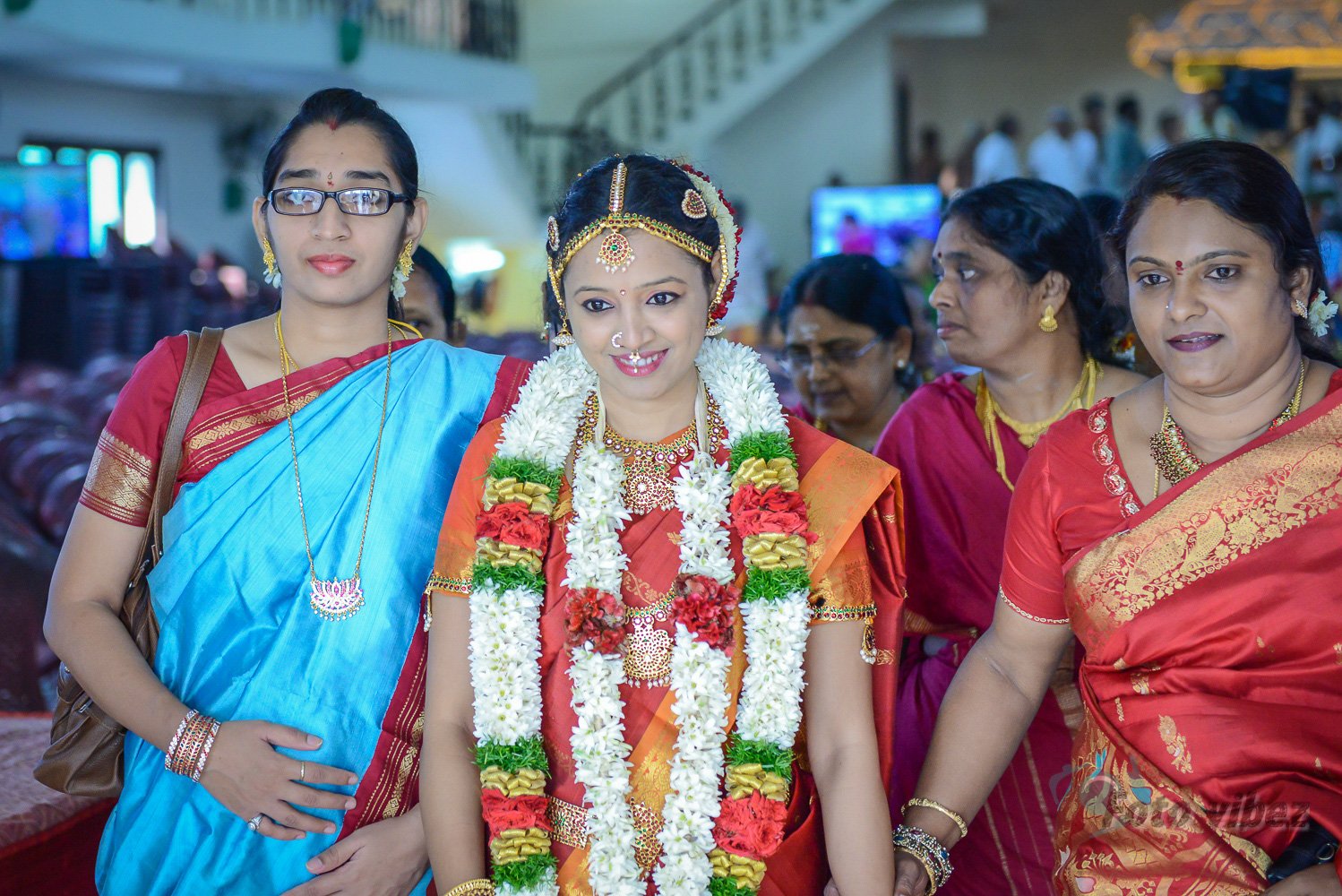
Frames from our work
More from the journal
- Why Candid Wedding Photography Captures the Real Bangalore Wedding
- 10 Best Pre-Wedding Shoot Locations in and Around Bangalore
- How to Choose the Right Bangalore Wedding Photographer
Planning a wedding in Bangalore? We would love to hear your story. Check your date →